


Cathodic Protection in Water Distribution Networks
Marco Facciadio
APCE Member
In the gas sector, cathodic protection has been an essential technical and regulatory requirement for decades, as it ensures the safety and durability of infrastructure. In contrast, the water sector is not yet regulated by equally stringent standards, which has led over the years to less attention being paid to corrosion prevention.
It is now time to bridge this gap by also adopting the well-established principles of cathodic protection in the design of water networks: an investment that protects our most precious resource—water—and significantly reduces long-term maintenance costs.
APCE – “Associazione Protezione Corrosioni Elettrolitiche” (Association for Electrolytic Corrosion Protection) – aims to guide the water sector toward a modern and sustainable management of infrastructure through training, regulatory support, and best design practices.
Thanks to strict rules and well-defined application standards, the gas sector has been able to rely on protected and long-lasting infrastructure, with a clear reduction in corrosive phenomena and maintenance costs. The water sector, on the other hand, has historically shown a less structured approach, with less binding regulations and often non-systematic protection interventions.
The lack of a systematic approach to applying cathodic protection during the design phase prevents effective mitigation of corrosion phenomena that can jeopardize the integrity of structures (see ISTAT and ARERA data on Italian water supply networks). Consequently, there is an emerging need for water networks to adopt the same principles of prevention and protection that have been consolidated in the gas sector during the construction of new water mains.
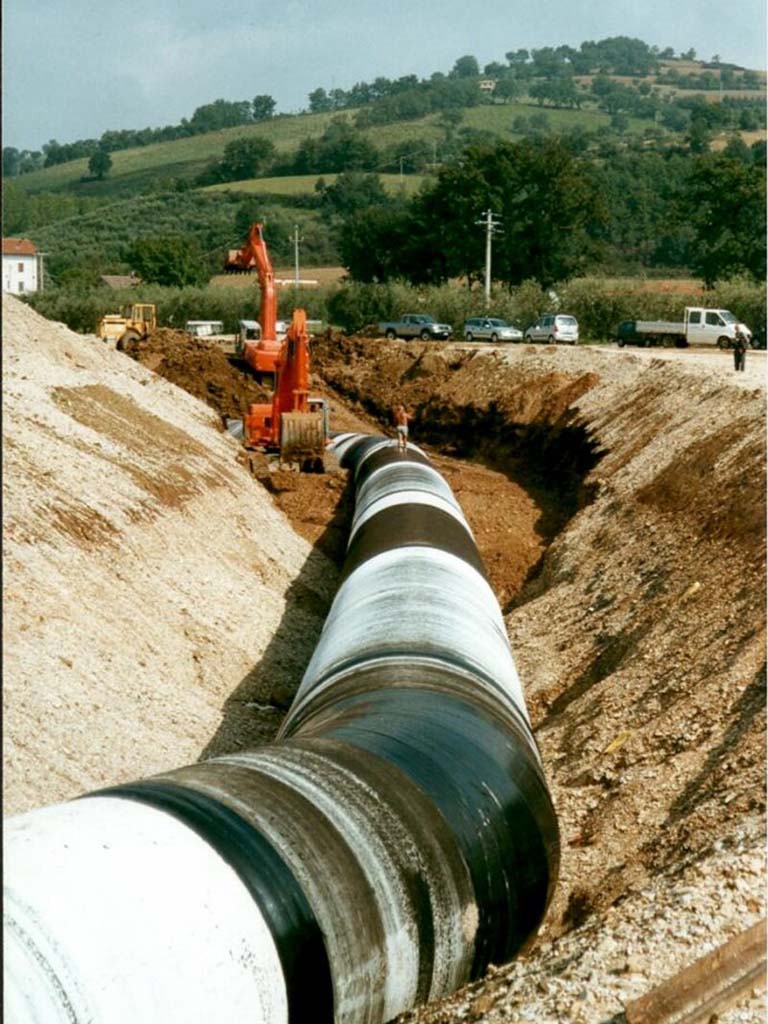
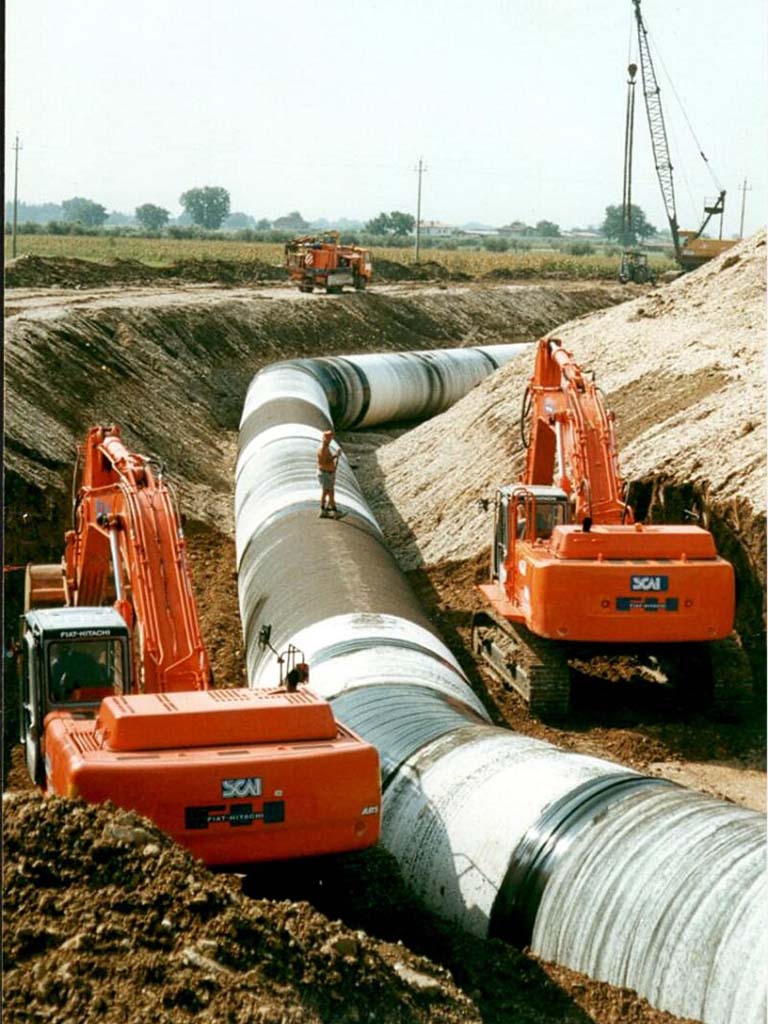
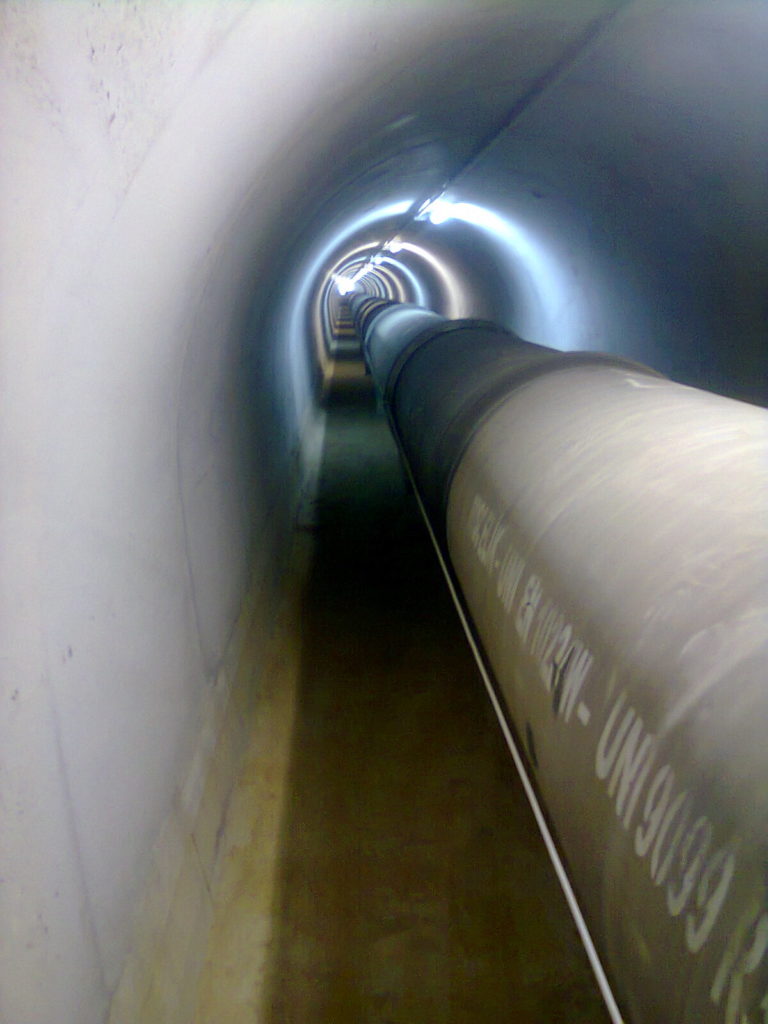
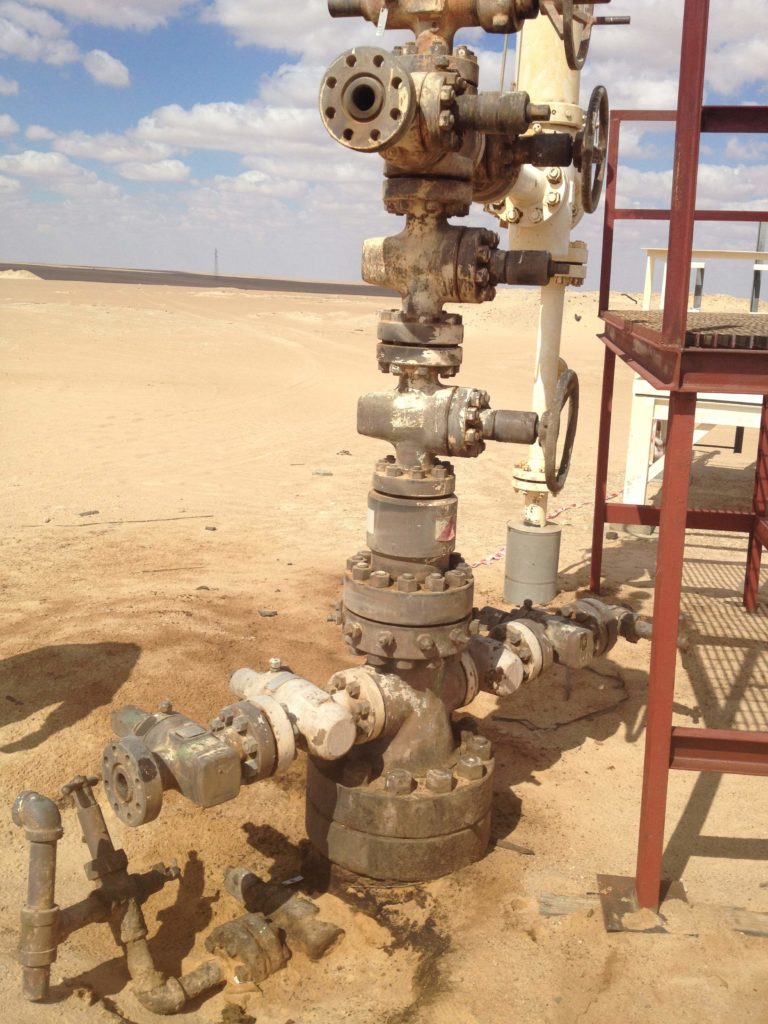
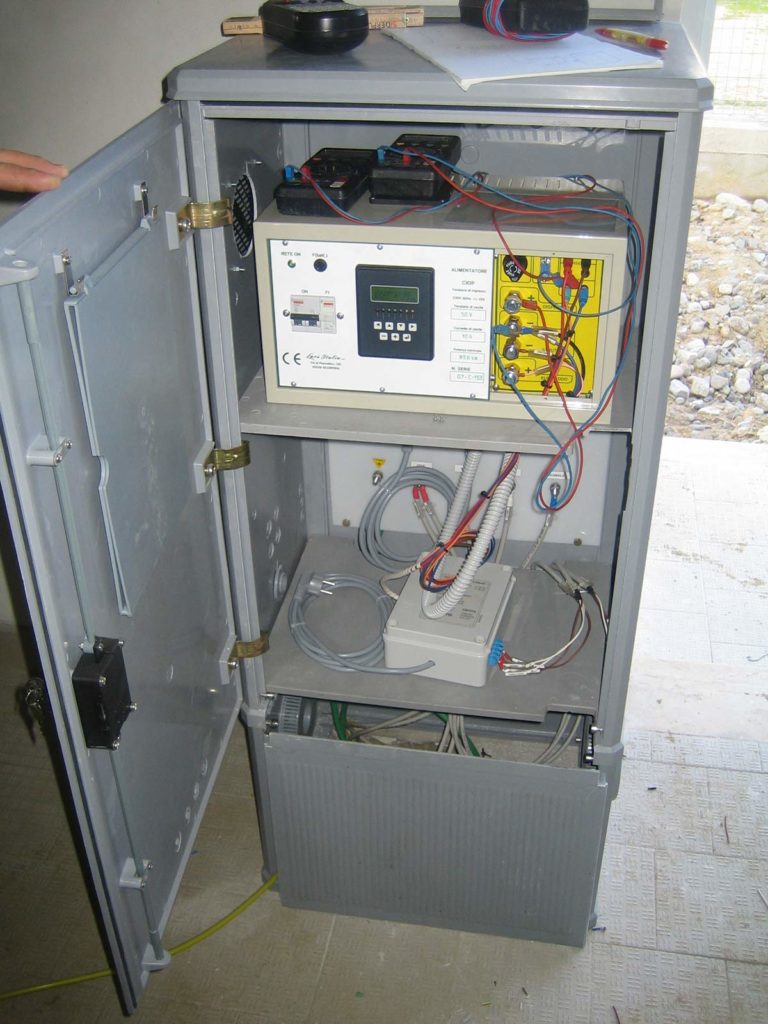
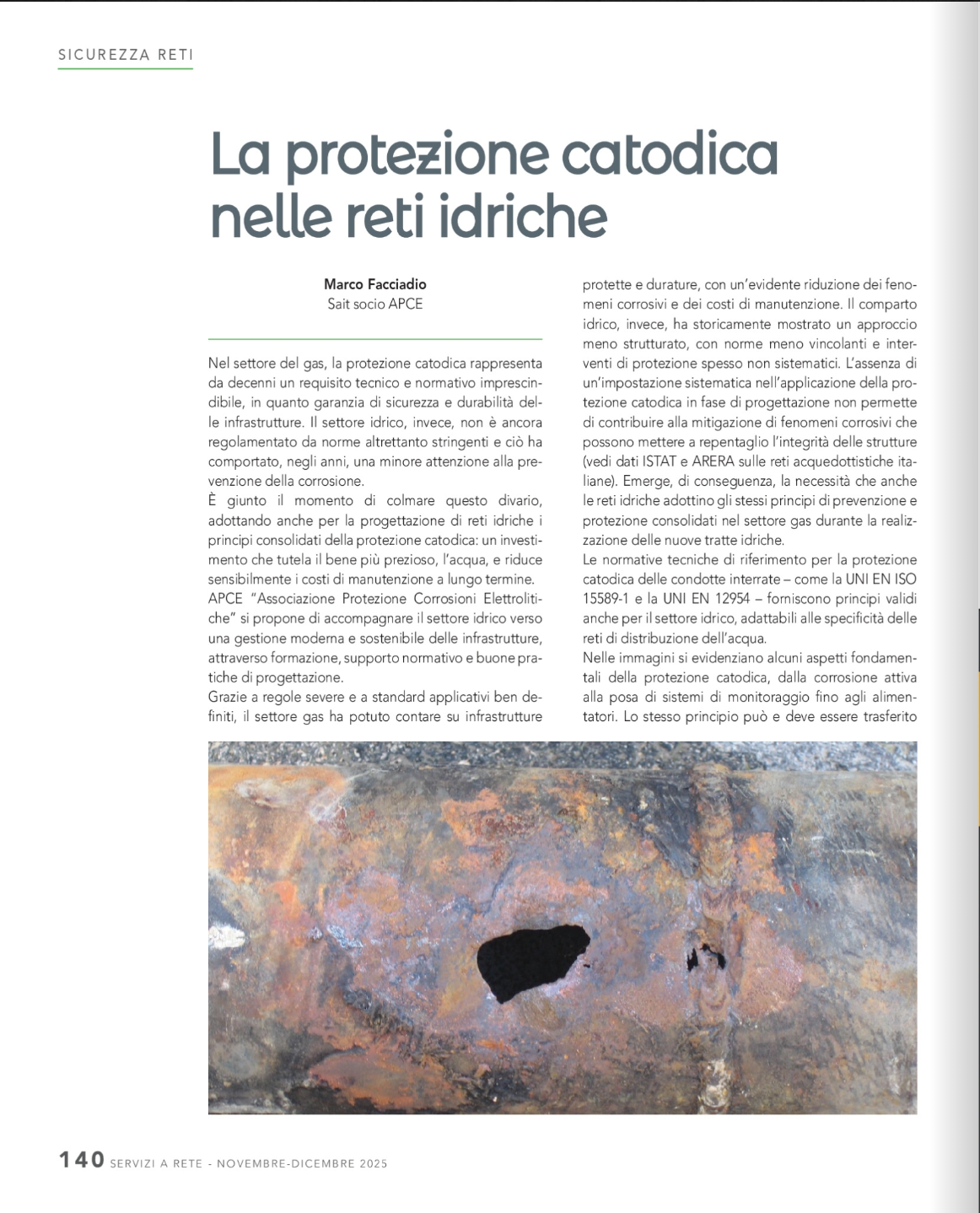
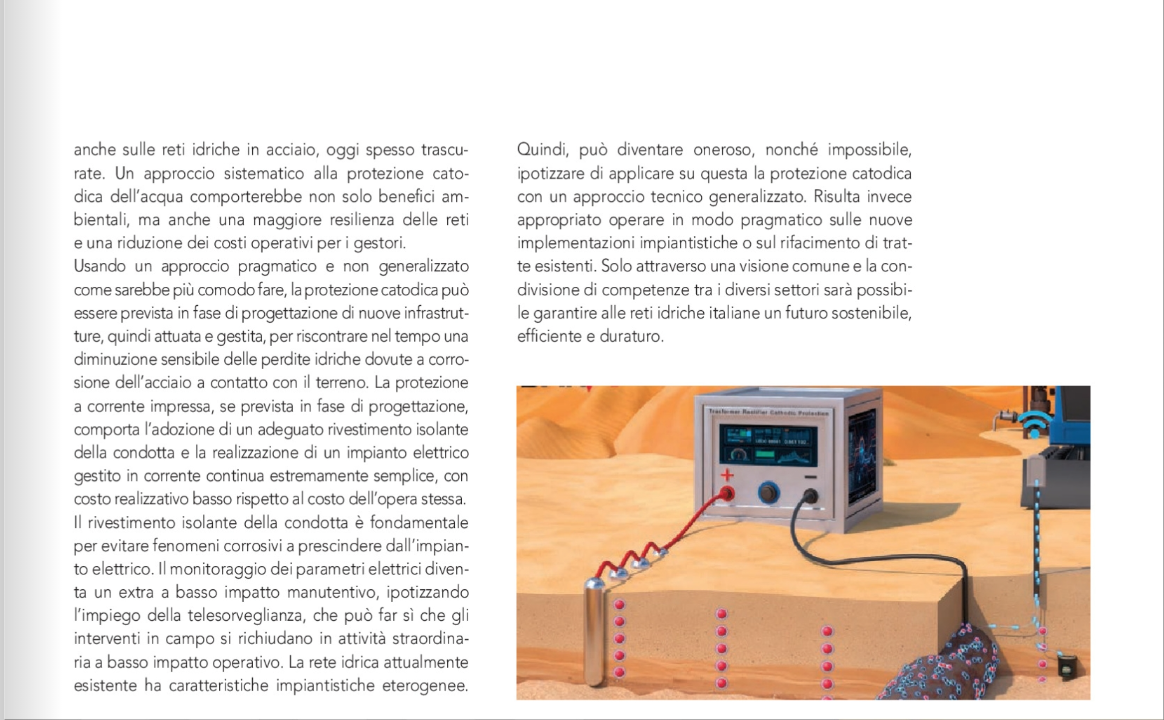
The reference technical standards – such as UNI EN ISO 15589-1 and UNI 12954 – provide valid principles also for the water sector, adaptable to the specific characteristics of water distribution networks. The images highlight some fundamental aspects of cathodic protection, from active corrosion to the installation of monitoring systems and power supplies.
Even on steel water networks, which are often neglected today, a systematic approach to cathodic protection would bring not only environmental benefits but also greater infrastructure resilience and a significant reduction in operating costs for network operators.
By adopting a pragmatic and non-generalized approach (as would be more convenient), cathodic protection can be incorporated already in the design phase of new infrastructure, then implemented and managed properly, resulting in a noticeable decrease in water losses due to steel corrosion in contact with soil.
Impressed current cathodic protection, when planned during the design phase, involves the application of an adequate insulating coating on the pipeline and the installation of a very simple DC-powered electrical system with a low implementation cost compared to the overall project value. The insulating coating is essential to minimize corrosion phenomena even independently of the electrical system.
Monitoring of electrical parameters, supported by remote telemetry, reduces maintenance impact by limiting field interventions to low-impact extraordinary activities.
The existing water network currently has heterogeneous installation characteristics. Applying cathodic protection using a generalized technical approach on these networks can therefore become costly, if not impossible. It is instead appropriate and realistic to adopt a pragmatic approach on new constructions or the rehabilitation of existing sections.
Only through a shared vision and the exchange of expertise across different sectors will it be possible to ensure Italian water networks a sustainable, efficient, and long-lasting future.