



Complete Guide to Cathodic Protection of Pipelines
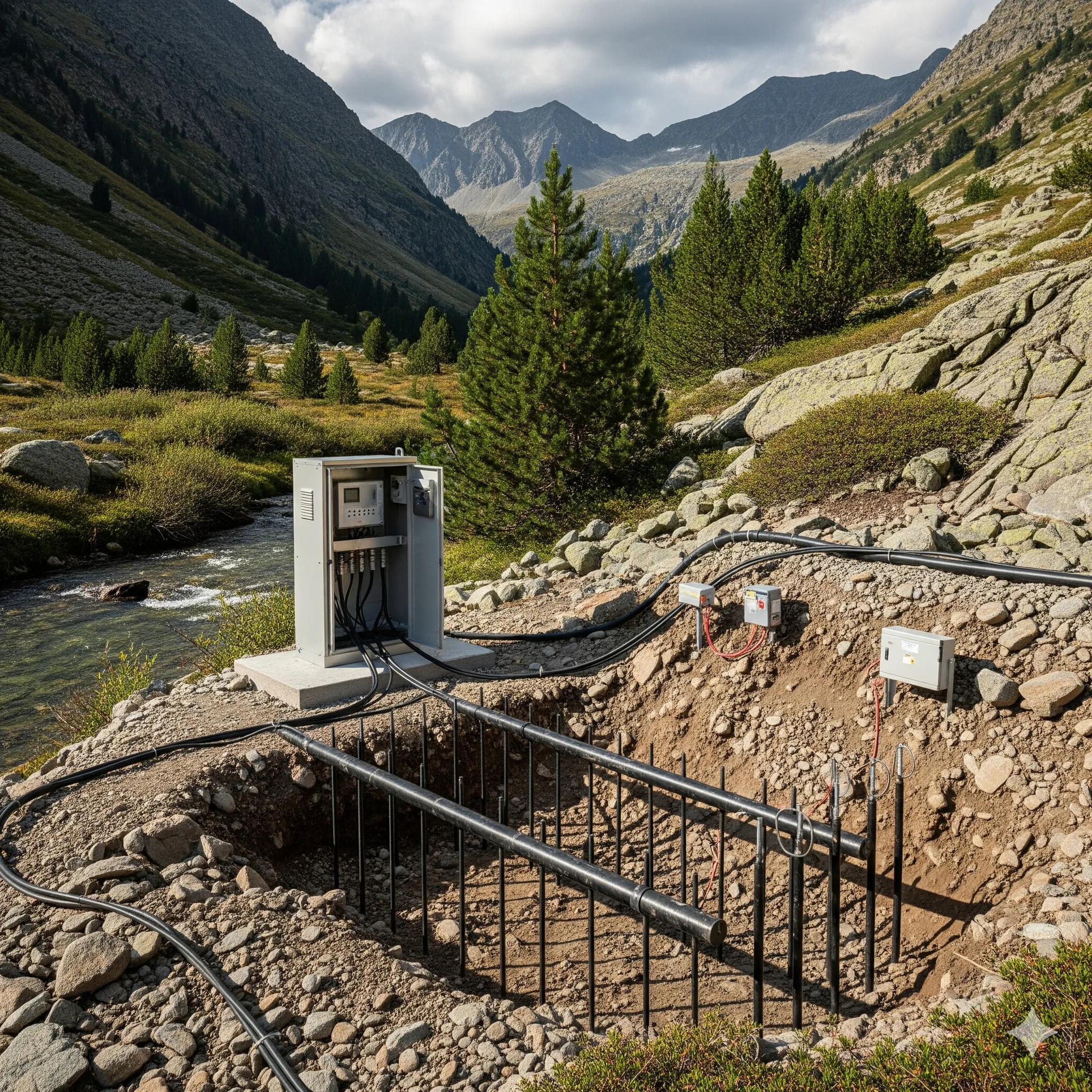
Complete Guide to Cathodic Protection of Pipelines: Prevent Corrosion and Extend Service Life
Pipeline corrosion is a common and costly problem that can compromise infrastructure integrity and increase maintenance expenses. Cathodic protection is an effective solution to prevent damage and extend pipeline service life. In this comprehensive guide, we will explore the various cathodic protection techniques, highlighting the fundamental principles and best practices for successful application. If you are looking to preserve the efficiency of your hydraulic system or industrial pipelines, this resource will provide all the information you need. You will learn how cathodic protection works, which materials and methods are most suitable, and how to implement an effective monitoring plan. Don’t let corrosion threaten your investments: keep reading to discover how to ensure long-lasting protection for your pipelines.
Introduction to Cathodic Protection
Cathodic protection is a crucial technology to prevent pipeline corrosion, a problem affecting both domestic and industrial infrastructure. Corrosion is a natural phenomenon that deteriorates metallic materials over time, reducing efficiency and operational safety. In a context where pipelines are essential for fluid transport in both civil and industrial sectors, adopting preventive measures is fundamental to avoid exorbitant repair and replacement costs. Cathodic protection is one of the most effective solutions to counteract this phenomenon, significantly extending the service life of pipelines.
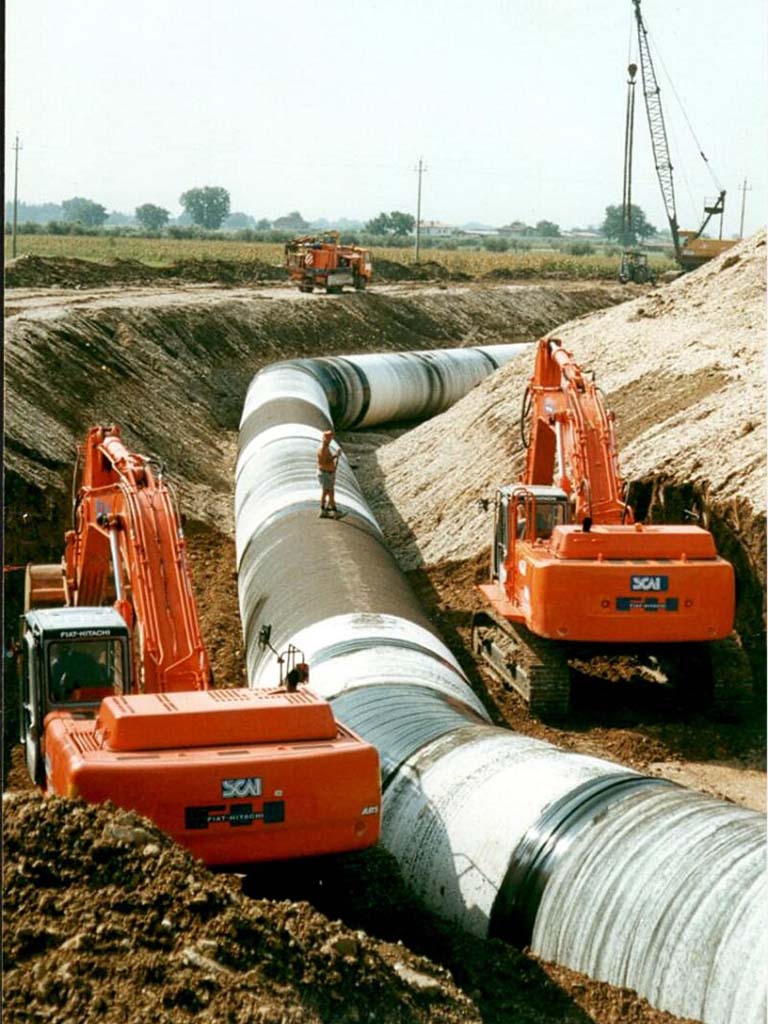
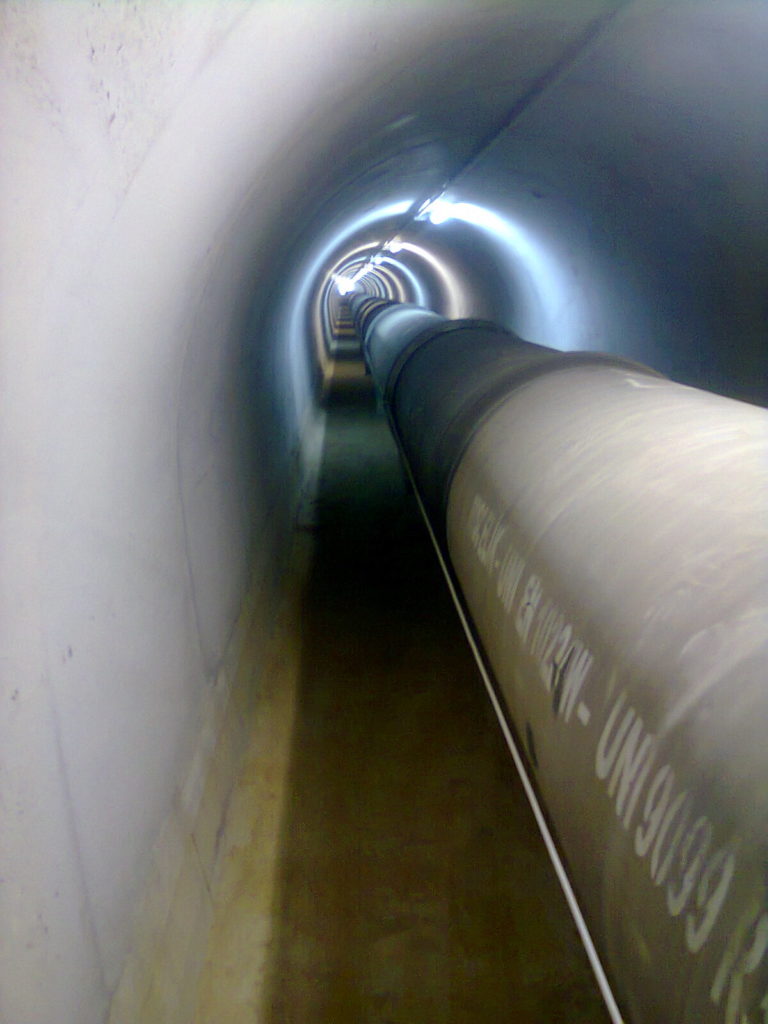
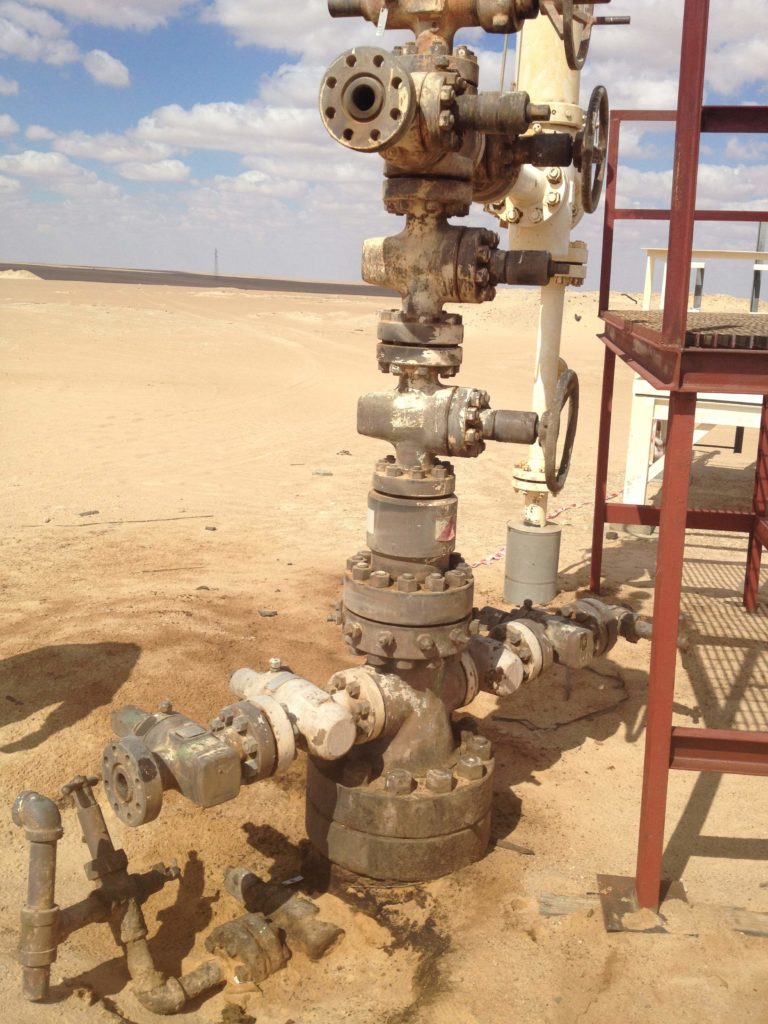
Imagine a complex hydraulic system spanning kilometers of land, transporting drinking water, natural gas, or chemicals. Pipeline corrosion can lead to dangerous leaks, environmental contamination, and service interruptions. The resulting economic damage can be immense, not to mention the risks to public safety. Cathodic protection, therefore, is not just about maintenance, but also about risk management and investment protection.
In this guide, we will explore how cathodic protection can be effectively implemented to safeguard pipelines. We will analyze in detail the types of corrosion, the scientific principles behind cathodic protection, and the most advanced techniques to apply it. If you are responsible for managing pipeline infrastructure, this guide will provide the knowledge you need to adopt best practices in corrosion prevention.
What Is Corrosion and Why Is It a Problem for Pipelines
Corrosion is an electrochemical process that degrades metallic materials through reactions with the surrounding environment. When metal comes into contact with moisture, oxygen, or other chemicals, an electron transfer occurs, leading to the formation of compounds such as oxides, hydroxides, or sulfides. This process not only compromises the structural integrity of the metal but also alters its physical and chemical properties, causing leaks and ruptures.
For pipelines, corrosion poses a constant threat. Buried or submerged pipelines, for example, are continuously exposed to soil moisture and salts, accelerating the corrosive process. Even above-ground pipelines, though less exposed to moisture, may suffer corrosion due to weathering or chemical pollutants. Internal corrosion, caused by the fluids being transported, can be equally damaging, especially when dealing with corrosive substances such as acids or bases.
Beyond repair and replacement costs, pipeline corrosion can have severe environmental and safety consequences. Chemical or petroleum leaks can contaminate soil and groundwater, while gas leaks pose fire and explosion hazards. It is therefore essential to understand the nature of corrosion in order to address it preventively and effectively through protection systems such as cathodic protection.
Types of Corrosion Affecting Pipelines
There are several types of corrosion that can affect pipelines, each with specific characteristics and mechanisms. The most common is uniform corrosion, which occurs when the metal dissolves evenly across the exposed surface. Although it may seem less dangerous since it does not cause localized damage, the constant loss of material thickness can lead to significant structural weakening over time.
Another common type is localized corrosion, which appears in restricted areas of the metal surface, creating weak points. The best-known forms of localized corrosion are pitting, which causes small cavities on the surface, and intergranular corrosion, which occurs along the boundaries of crystalline grains in the metal. These types of corrosion are particularly dangerous because they can progress rapidly and cause sudden failures.
Finally, galvanic corrosion occurs when two different metals are in contact in the presence of an electrolyte, such as water. In this case, the less noble metal corrodes more quickly, acting as the anode in the galvanic cell. Understanding the differences between these types of corrosion is fundamental to selecting the most appropriate cathodic protection strategy for your pipelines.
Principles of Cathodic Protection
Cathodic protection is based on electrochemical principles that prevent metal from corroding by transforming it from an anode to a cathode in an electrical circuit. In a metallic system exposed to a corrosive environment, the metal acts as the anode and dissolves through oxidation. Cathodic protection reverses this process by supplying an external source of electrons that protect the metal from corrosion.
There are two main methods of cathodic protection: galvanic cathodic protection and impressed current cathodic protection. Galvanic protection uses sacrificial anodes made of metals more anodic than the pipeline material. These anodes corrode instead of the pipeline, protecting it from corrosion. The most common anodes are made of zinc, magnesium, or aluminum.
Impressed current cathodic protection, on the other hand, uses an external power source to supply electrons to the system. This method is particularly effective for large or long pipelines, where the use of sacrificial anodes may not be practical. The impressed current is regulated to maintain the metal’s potential below the corrosion threshold, ensuring continuous and reliable protection.
Cathodic Protection Methods: Active vs Passive
Cathodic protection can be classified into two main categories: active and passive. Passive protection involves the use of protective coatings applied to the metal surface to isolate it from the corrosive environment. Common coatings include paints, epoxy resins, and polymer layers. While passive coatings can provide excellent initial protection, they may deteriorate over time due to mechanical damage or chemical exposure.
Active protection, on the other hand, refers to the use of cathodic protection techniques to reduce or completely eliminate corrosion. As mentioned earlier, active protection can be achieved through sacrificial anodes or impressed current systems. The choice between active and passive protection depends on various factors, including metal type, environmental conditions, and maintenance requirements.
A combined approach, using both active and passive methods, is often the most effective solution to ensure long-term pipeline protection. Passive coatings can reduce the current required for cathodic protection, while active systems ensure continuous protection even if coatings are damaged. This integrated approach ensures that pipelines are optimally protected against corrosion.
Installing a Cathodic Protection System
Installing a cathodic protection system requires detailed planning and in-depth knowledge of operating conditions. The first step is to conduct a thorough site assessment to determine the type of corrosion and the specific characteristics of the pipelines. It is essential to select the most suitable cathodic protection method, taking into account factors such as pipeline length, metal type, and surrounding environment.
For galvanic cathodic protection systems, installation involves strategically placing sacrificial anodes along the pipeline length. The anodes must be electrically connected to the pipeline and immersed in the electrolyte environment to ensure proper electron transfer. Regular monitoring of anode condition and timely replacement are important to maintain system effectiveness.
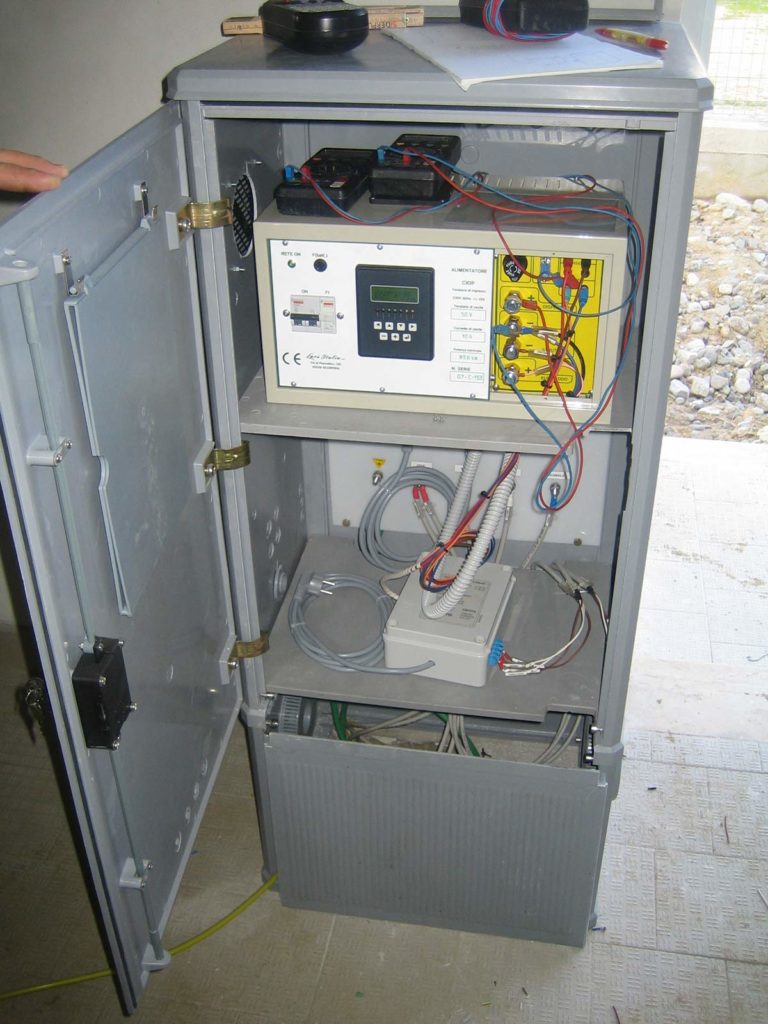
In impressed current systems, installation requires setting up a network of inert anodes connected to an external power source. This includes laying cables and configuring a power supply, along with installing control devices to regulate current and monitor pipeline potential. Proper installation is critical to ensure the system functions as intended and provides continuous protection against corrosion.
Maintenance and Monitoring of Cathodic Protection
Maintenance and monitoring are essential components to ensure the long-term effectiveness of a cathodic protection system. Even the best-designed system requires regular checks to verify proper functioning and sustained protection against corrosion. Periodic monitoring of pipeline electrochemical potential is a common practice to assess system performance and make necessary adjustments.
Sacrificial anodes must be regularly inspected for condition and replacement needs. Consumed anodes should be promptly replaced to avoid compromising cathodic protection. In impressed current systems, it is important to check the power supply and verify that the applied current matches current conditions. An alarm system can be useful to signal any malfunctions.
Furthermore, maintaining passive protective coatings is crucial. Any coating damage should be repaired quickly to prevent localized metal exposure and ensure full effectiveness of cathodic protection. Accurate documentation of monitoring and maintenance activities is essential to track system performance over time and plan future interventions.
Regulations and Standards on Cathodic Protection
Cathodic protection is governed by international regulations and standards that define guidelines for system design, installation, and maintenance. These standards ensure that adopted practices are safe, effective, and aligned with performance expectations. In Italy, cathodic protection regulations are consistent with European and international standards.
The most relevant standards include UNI EN 12954, which covers general criteria for cathodic protection of buried or immersed metal structures, and UNI EN 13636, which focuses on cathodic protection of fuel and chemical storage structures. These documents provide detailed guidance on aspects such as system design, material selection, and monitoring procedures.
Compliance with regulations and standards is not only a legal requirement but also a matter of safety and reliability. Companies operating in the infrastructure sector must ensure their cathodic protection systems meet regulatory requirements to prevent accidents and optimize operational performance. Expert consultation can be invaluable in navigating regulations and implementing effective cathodic protection solutions.
Successful Case Studies in Pipeline Cathodic Protection
Several case studies demonstrate the effectiveness of cathodic protection in preventing pipeline corrosion across various sectors. One of the most significant examples is a natural gas pipeline network in Europe. The implementation of an impressed current cathodic protection system drastically reduced corrosion rates, extending pipeline life and lowering maintenance costs.
Another successful case involves a chemical plant where pipelines suffered internal corrosion due to acid transport. The integration of internal coatings with sacrificial anodes provided effective corrosion protection, avoiding costly repairs and ensuring operational safety. This combined approach demonstrated how cathodic protection can be adapted to complex scenarios.
Finally, a major urban water network benefited from the implementation of a galvanic cathodic protection system for buried pipelines. Not only did the system prevent corrosion, but it also improved service reliability by reducing leak-related interruptions. These case studies highlight how cathodic protection can be a versatile and indispensable solution for safeguarding critical infrastructure.
Conclusions and Recommendations for Effective Protection
Cathodic protection provides a proven and reliable solution for preventing pipeline corrosion, helping extend infrastructure life and ensuring operational safety. Understanding the fundamental principles of corrosion and cathodic protection techniques is essential to implementing effective and sustainable systems. Whether galvanic or impressed current protection, it is important to choose the right approach based on specific pipeline needs.
To ensure the success of cathodic protection, it is vital to follow industry regulations and standards, adopting best practices for system design, installation, and maintenance. The selection of quality materials and careful planning are crucial to achieving optimal results. Additionally, regular monitoring and preventive maintenance are indispensable to maintaining long-term system effectiveness.
Finally, consulting experts in the field of cathodic protection can provide valuable support in assessing specific needs and implementing the most suitable solutions. Investing in cathodic protection systems not only preserves infrastructure but also reduces long-term costs, protects valuable resources, and ensures reliable and safe service.


Latest News
- When a vision becomes a direction for the entire industry
- Cathodic Protection and the Energy Transition
- From the Strait of Hormuz to pipeline corrosion
- New SAIT Shop now online
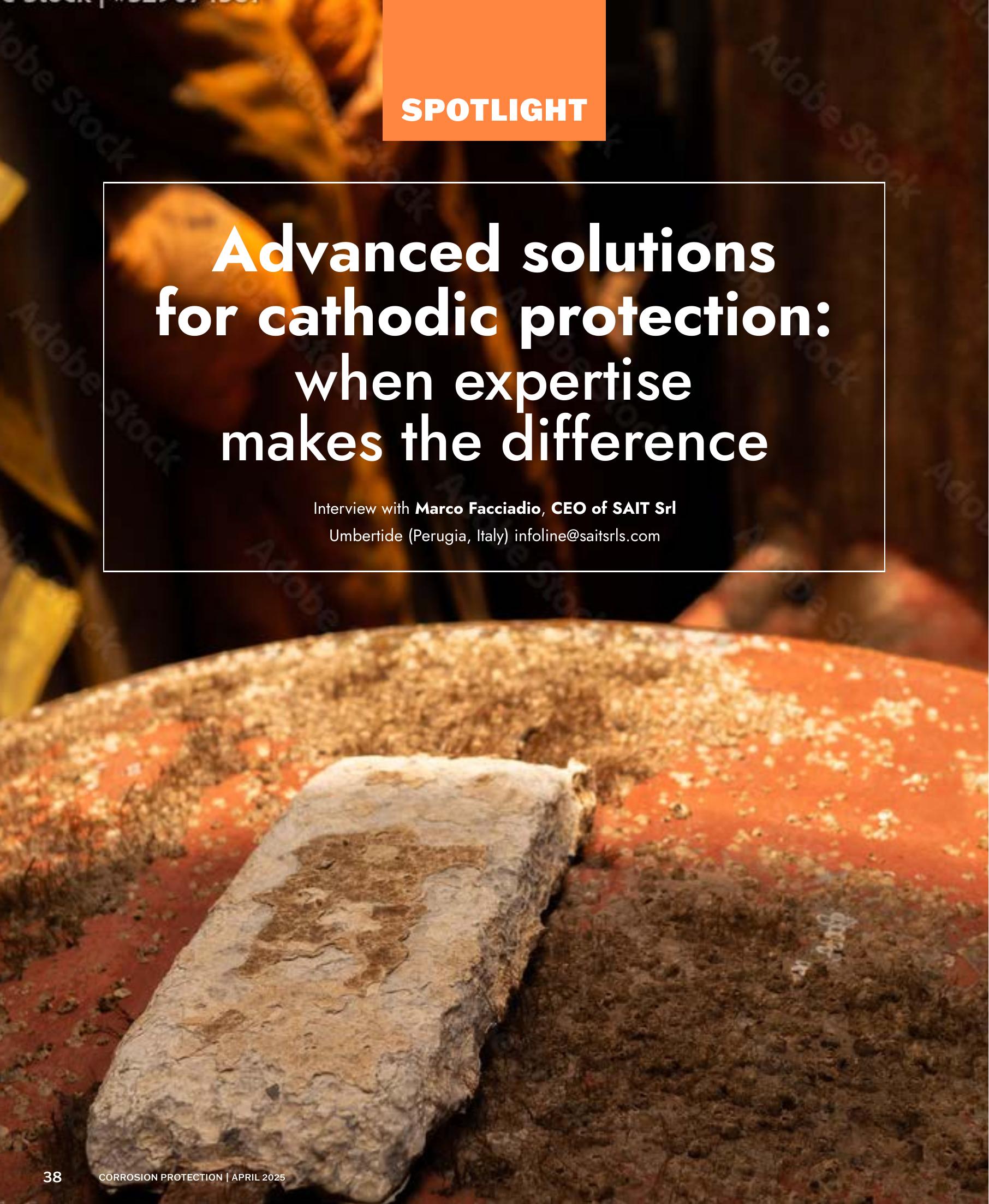
- Advanced solutions for cathodic protection
- Article on Cathodic Protection in Water Distribution Networks – Servizi a Rete, November-December 2025
- New article on Iron Probe Desert
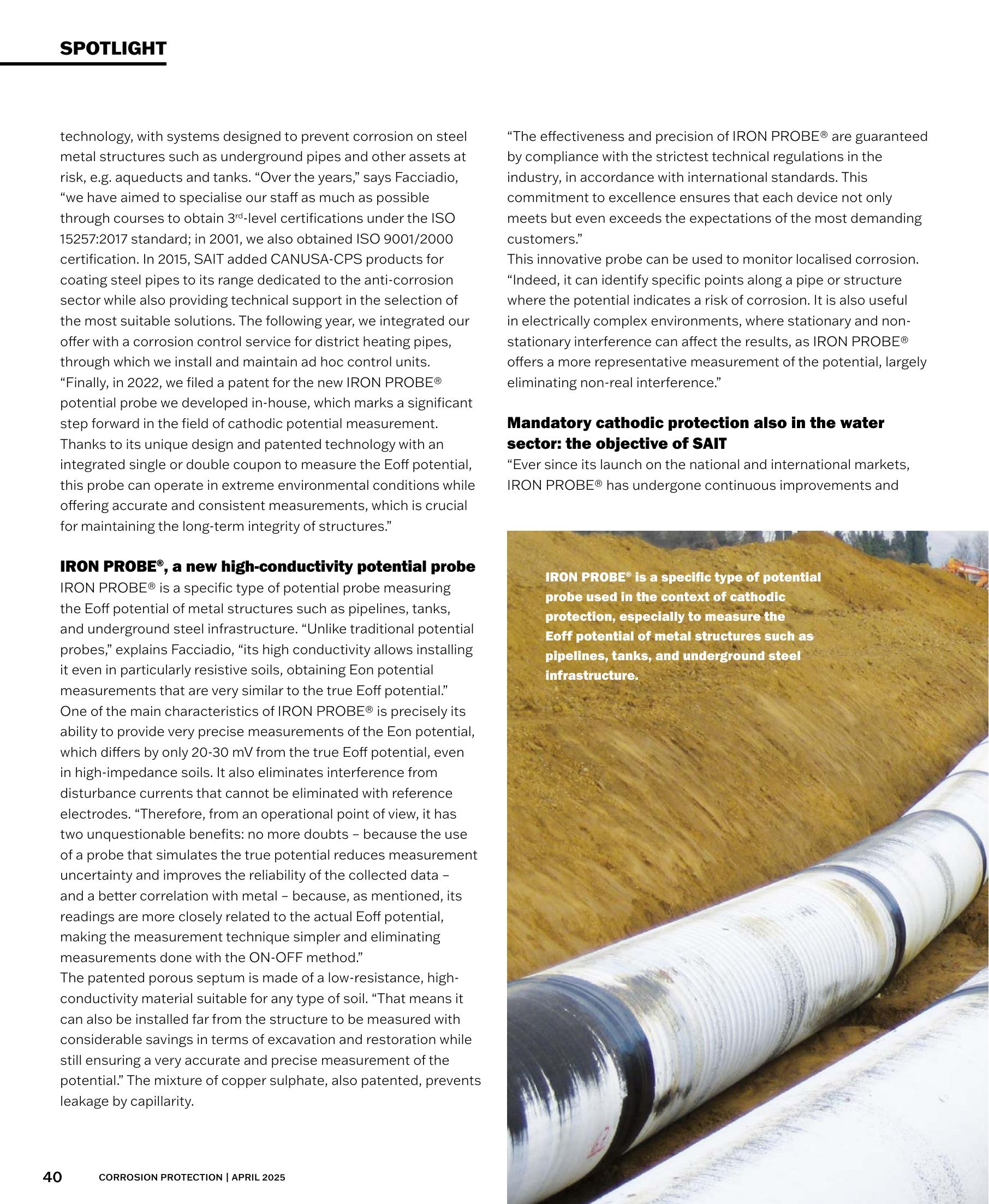
- Complete Guide to Cathodic Protection of Pipelines: Prevent Corrosion and Extend Service Life
- Corrosion Protection: Interview with Marco Facciadio
- Cathodic Protection: Active and Passive
- The Importance of Cathodic Protection for a Sustainable World
- What are sacrificial anodes used for?
- How is an underground steel pipeline protected from corrosion?
- Pipeline & Gas Expo
- Conference & Expo 2024 in Genoa
- Cathodic protection for aqueducts
- APCE Seminar
- National Corrosion and Protection Day
- APCE Study Day
- IRON PROBE
- T.E.S Power Supply
- Anticorrosion Products Sale
Gallery

Topics
- CATHODIC PROTECTION
- IRON PROBE
- IRON PROBE DESERT
- POTENTIAL PROBE
- CATHODIC PROTECTION ELECTRODE
- Reference electrode
- CATHODIC PROTECTION SYSTEMS
- CATHODIC PROTECTION SERVICES
- METAL INFRASTRUCTURE INTEGRITY
- CORROSION
- Galvanic Corrosion
- CORROSION MONITORING
- Sacrificial Anodes
- CATHODIC PROTECTION POWER SUPPLIES
- Stray Currents
- PROTECTION DESIGN CATHODIC
- GALVANIC PROTECTION
- GALVANIC CORROSION
- CATHODIC PROTECTION DESIGN