



Cathodic Protection and the Energy Transition: Why the Infrastructure of the Future Depends on Corrosion Prevention
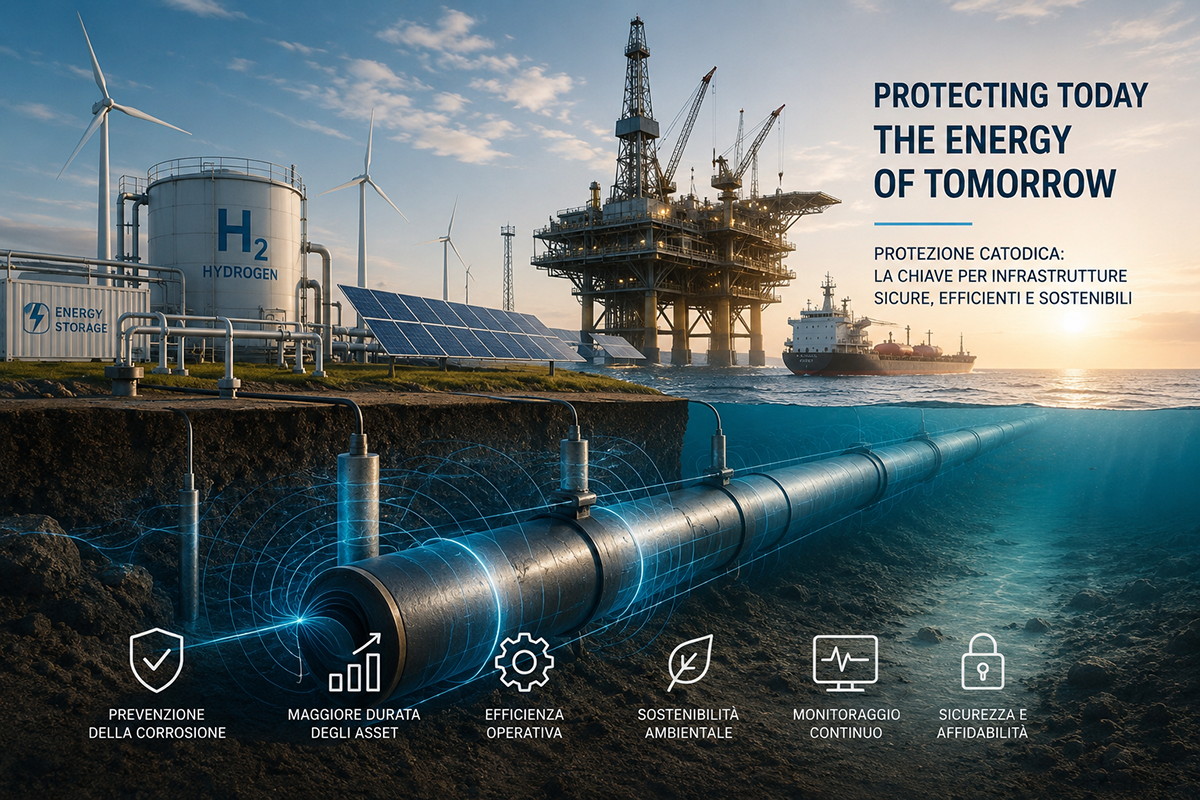
In recent years, the global energy sector has been undergoing an unprecedented transformation. The growth of renewable energy sources, the development of hydrogen technologies, the expansion of energy transportation networks, and increasing investments in strategic infrastructure are profoundly reshaping the industrial landscape.
In this scenario, a technical element that often remains unseen is becoming increasingly important: cathodic protection.
Pipelines, storage tanks, offshore facilities, buried networks, and advanced energy infrastructures all share a common challenge: corrosion.
Protecting these assets means ensuring safety, operational continuity, and long-term economic sustainability.
Corrosion: A Silent Yet Strategic Challenge
Corrosion is a natural electrochemical process that affects all metallic structures exposed to aggressive environments, such as:
- moist soils;
- marine environments;
- industrial waters;
- saline atmospheres;
- buried infrastructure.
The consequences can be extremely significant:
- loss of plant efficiency;
- reduced service life of structures;
- increased maintenance costs;
- unplanned operational shutdowns;
- environmental and safety risks.
According to numerous international studies, corrosion-related costs account for a significant percentage of the global industrial GDP every year.
For this reason, prevention is no longer considered a simple maintenance activity, but a true industrial strategy.
The Role of Cathodic Protection in Modern Infrastructure
Cathodic protection is one of the most effective technologies for preventing corrosion in buried or submerged metallic structures.
By controlling the electrochemical potential of the metal, the system prevents the corrosion reactions responsible for surface degradation.
Main applications include:
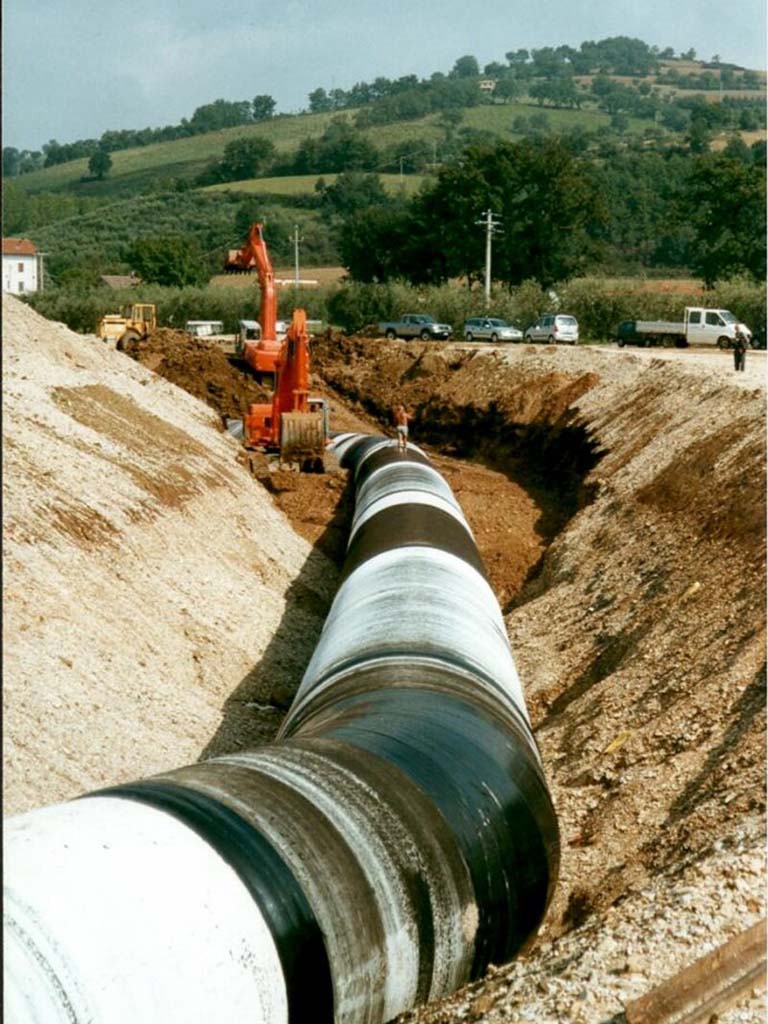
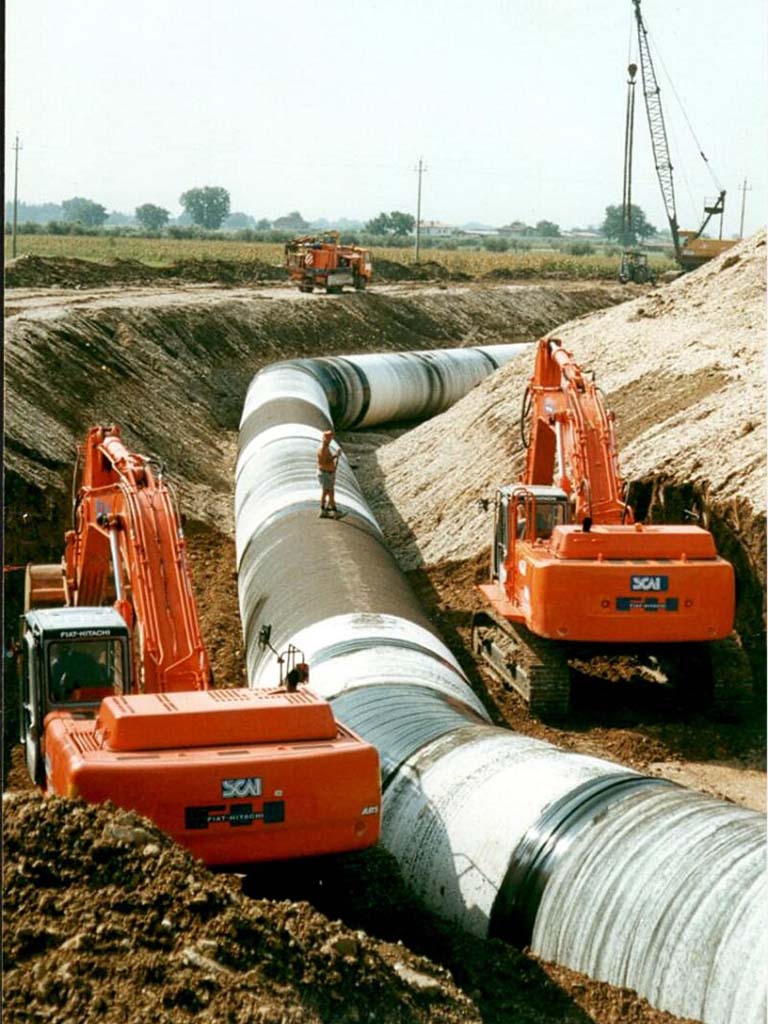
- oil and gas pipelines;
- water distribution networks;
- underground storage tanks;
- port structures;
- offshore platforms;
- industrial facilities;
- strategic energy infrastructure.
The goal is not only to protect the metal itself, but also to preserve the long-term reliability of the entire infrastructure system.
Energy Transition and New Challenges for Cathodic Protection
The energy transition is creating new technological requirements and new types of facilities.
Among the main sectors involved are:
Hydrogen and New Pipeline Networks
The development of hydrogen transportation networks requires the highest standards of safety and durability.
New pipelines must be designed taking into account:
- specific corrosion phenomena;
- interactions between materials and the environment;
- continuous monitoring of electrochemical conditions.
Cathodic protection therefore becomes an integral part of the design process.
Offshore Energy Infrastructure
The expansion of offshore facilities, including:
- energy platforms;
- offshore wind farms;
- subsea infrastructure;
exposes structures to highly aggressive conditions.
The marine environment accelerates corrosion processes and makes the use of advanced cathodic protection and monitoring systems essential.
Strategic Infrastructure and Resilience
Recent geopolitical tensions have highlighted the importance of ensuring operational continuity for energy infrastructure.
Pipelines, terminals, and distribution networks must be able to operate reliably even under critical conditions.
Corrosion represents one of the primary risks to the resilience of industrial assets.
Monitoring and Innovation: The Evolution of the Industry
In recent years, cathodic protection has benefited from significant technological advancements.
Today it is possible to integrate:
- remote monitoring systems;
- real-time data acquisition;
- predictive analytics;
- automated controls;
- advanced asset diagnostics.
These technologies make it possible to:
- reduce maintenance costs;
- improve operational efficiency;
- enable timely interventions;
- increase plant safety.
The modern approach to corrosion management goes beyond protection alone and focuses on intelligent lifecycle management of infrastructure assets.
Prevention as a Strategic Investment
Intervening after a failure occurs involves high costs, long downtime, and potential environmental risks.
On the other hand, investing in prevention systems means:
- extending asset lifespan;
- optimizing operating costs;
- ensuring regulatory compliance;
- improving reliability and safety.
For this reason, an increasing number of companies consider cathodic protection a strategic component of industrial asset management.
The future of energy and industrial infrastructure will increasingly depend on the ability to guarantee safety, continuity, and sustainability over time.
In this context, cathodic protection represents an essential technology for preserving the integrity of strategic assets and addressing the challenges of the energy transition.
Corrosion may be invisible, but its effects have a tangible impact on efficiency, safety, and reliability.
Preventing corrosion today means protecting the value of tomorrow’s infrastructure.
Latest News
- When a vision becomes a direction for the entire industry
- Cathodic Protection and the Energy Transition
- From the Strait of Hormuz to pipeline corrosion
- New SAIT Shop now online
- Advanced solutions for cathodic protection
- Article on Cathodic Protection in Water Distribution Networks – Servizi a Rete, November-December 2025
- New article on Iron Probe Desert
- Complete Guide to Cathodic Protection of Pipelines: Prevent Corrosion and Extend Service Life
- Corrosion Protection: Interview with Marco Facciadio
- Cathodic Protection: Active and Passive
- The Importance of Cathodic Protection for a Sustainable World
- What are sacrificial anodes used for?
- How is an underground steel pipeline protected from corrosion?
- Pipeline & Gas Expo
- Conference & Expo 2024 in Genoa
- Cathodic protection for aqueducts
- APCE Seminar
- National Corrosion and Protection Day
- APCE Study Day
- IRON PROBE
- T.E.S Power Supply
- Anticorrosion Products Sale
Gallery

Topics
- CATHODIC PROTECTION
- IRON PROBE
- IRON PROBE DESERT
- POTENTIAL PROBE
- CATHODIC PROTECTION ELECTRODE
- Reference electrode
- CATHODIC PROTECTION SYSTEMS
- CATHODIC PROTECTION SERVICES
- METAL INFRASTRUCTURE INTEGRITY
- CORROSION
- Galvanic Corrosion
- CORROSION MONITORING
- Sacrificial Anodes
- CATHODIC PROTECTION POWER SUPPLIES
- Stray Currents
- PROTECTION DESIGN CATHODIC
- GALVANIC PROTECTION
- GALVANIC CORROSION
- CATHODIC PROTECTION DESIGN